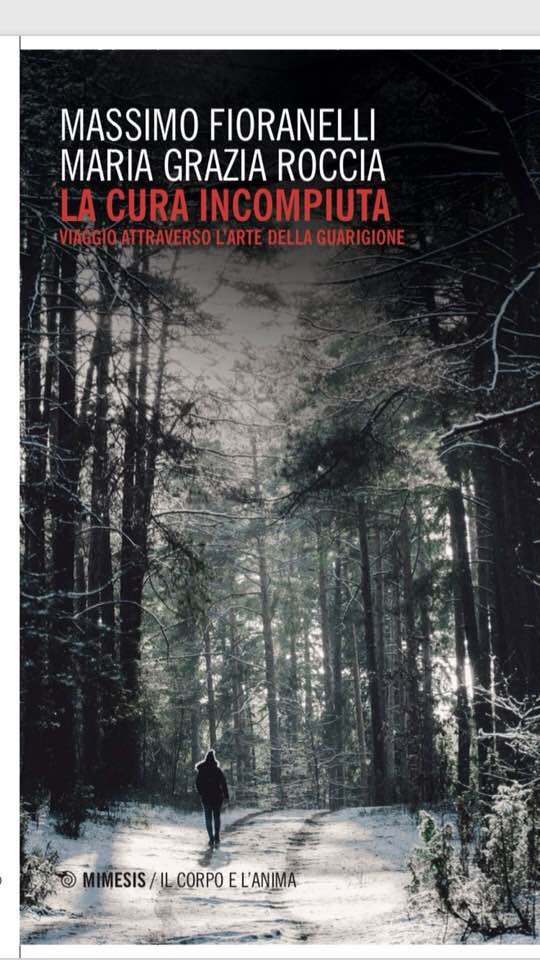
What does it truly mean to heal? Is the removal of disease sufficient, or does the practice of medicine call for a deeper understanding of the person who suffers? La cura incompiuta approaches these questions through the history and philosophy of care.
The book follows diverse medical traditions, from ancient ritual practices and Greco-Roman thought to Jewish and Arab scholarship and the medical cultures of India, China, Japan and Tibet. It considers how language, symbols and cultural frameworks shape the experience and interpretation of illness.
The dialogue between Eastern and Western perspectives opens onto a reflection on the relationship between body and mind and on psychoneuroendocrinoimmunology. The central proposition is not to abandon scientific rigour, but to recognise that treatment and healing are not always identical: caring for a person also means attending to meaning, context and human experience.