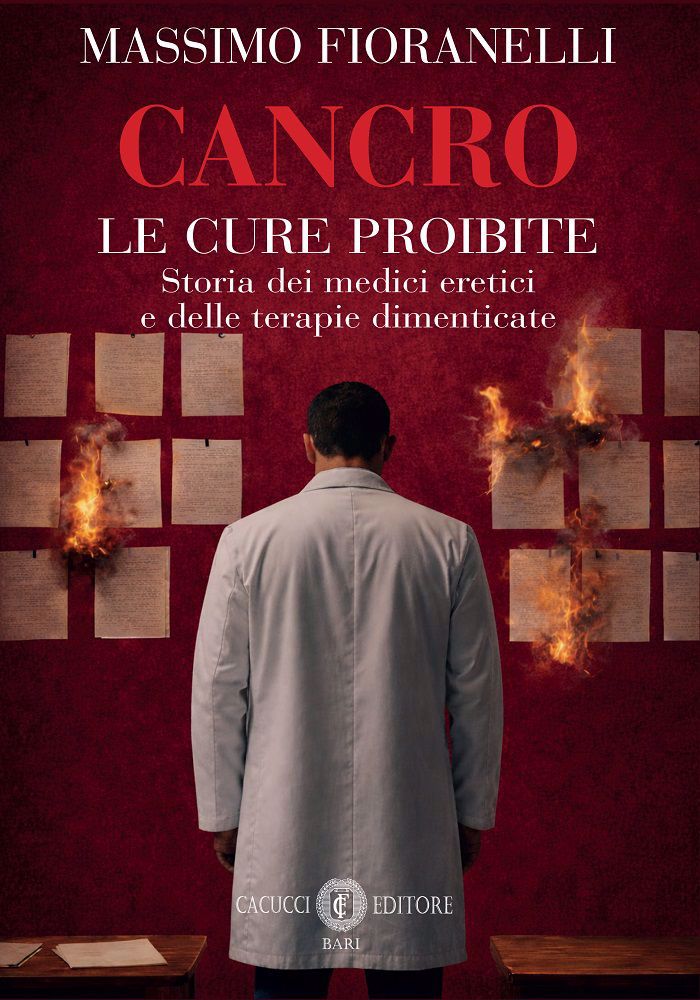
The history of oncology contains major therapeutic advances, but also contested ideas, disputes over evidence and tensions between researchers, institutions and economic interests. This book examines such controversies through a historical and critical lens.
Among the figures considered are Max Gerson, René Caisse, Royal Raymond Rife, Wilhelm Reich and Stanislaw Burzynski. Their stories provide a point of departure for examining proposed metabolic, botanical and bioelectrical approaches, alongside the evidence available and the risks associated with disputed claims.
The work is a study of scientific dissent and medical responsibility, not a practical guide to alternative cancer treatments. It asks how medicine can defend critical inquiry without lowering standards of evidence, and how the patient’s voice can remain central to decisions about care.